Matsu
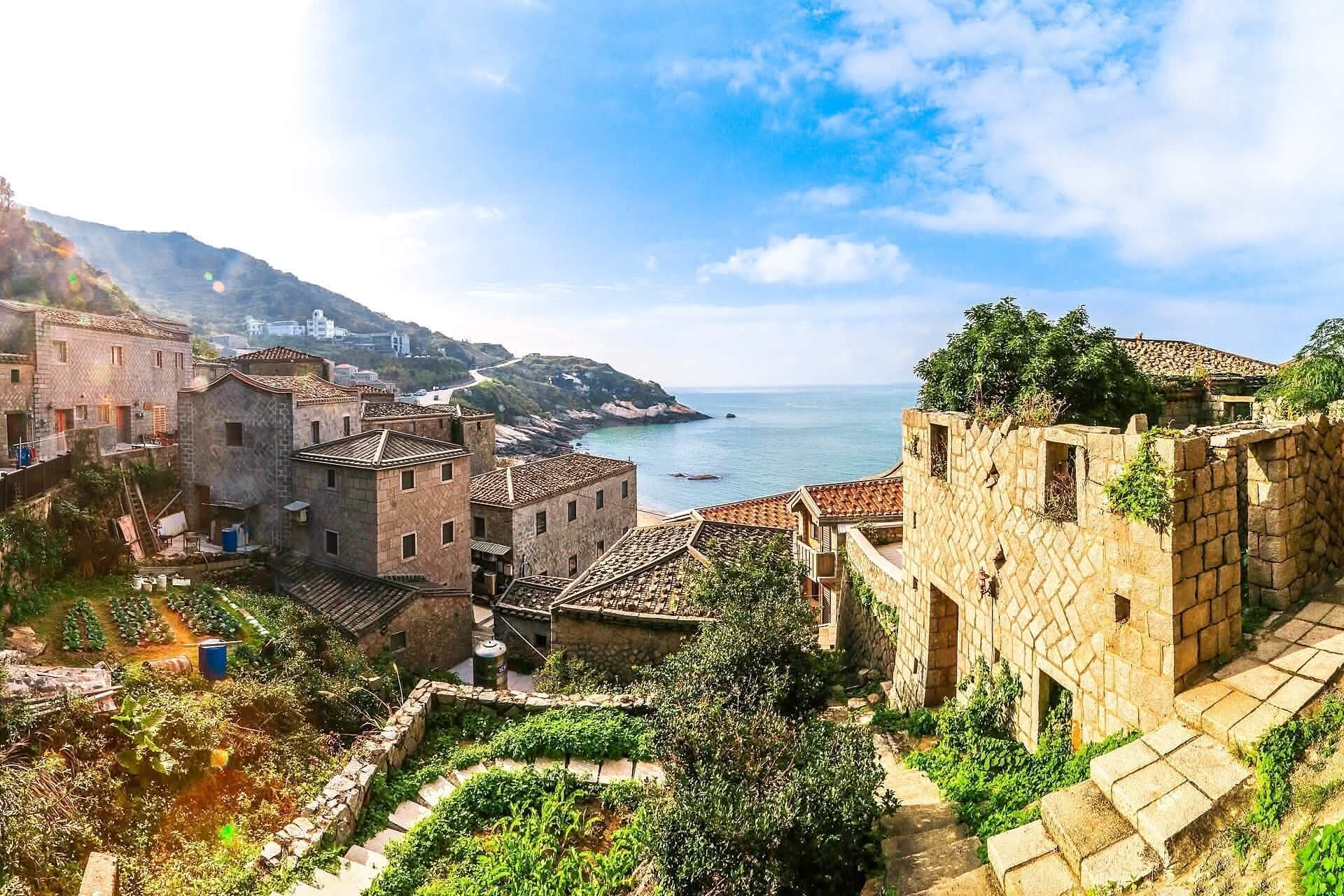
The Matsu archipelago, positioned even closer to mainland China than Kinmen at just 10 kilometres from Fujian’s coast, shares a similar military heritage but possesses a notably different geography and cultural character rooted in its fishing village origins. These small, granite islands feature traditional Fuzhou-style stone houses built into steep hillsides, creating villages that cascade down to natural harbours where fishing remains economically and culturally significant despite the islands’ military past. Matsu’s extensive tunnel networks, carved to protect military assets during times of bombardment, now serve as atmospheric attractions where the scale of excavation work astounds visitors. The islands suit travellers seeking relatively undeveloped destinations with authentic fishing community culture, dramatic coastal scenery, and a tangible sense of geopolitical significance. The spring “Blue Tears” phenomenon (April–June), when bioluminescent algae illuminate the shoreline at night, draws most of the visitor traffic. It varies in intensity and cannot be guaranteed, which is the ordinary condition of watching a natural event rather than a managed attraction.